
Anti‑glare and clear TV screen protectors differ mainly in surface finish, glare handling, and how they affect image quality. Both protect against scratches and light impacts, but they suit different viewing environments and priorities.
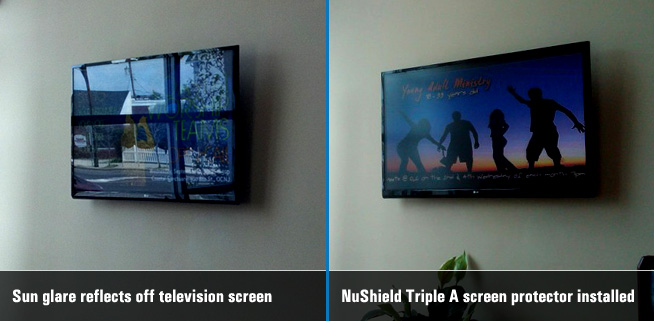
What “clear” protectors do
-
Surface: Glossy, smooth finish that looks almost invisible once applied.
-
Image quality: Higher transparency, so colors and contrast stay very close to the original TV picture; ideal if you mainly watch in dim or dark rooms.
-
Glare: Reflects more light from windows and lamps, which can be distracting in bright living rooms.
What “anti‑glare” protectors do
-
Surface: Matte or semi‑matte that scatters reflections, often described as “glare‑free” or “anti‑glare.”
-
Image quality: Can slightly soften fine details or reduce perceived contrast because the matte layer diffuses light; best for viewers who care more about comfort in bright light than absolute sharpness.
-
Glare: Greatly reduces reflections from overhead lights and windows, making daytime viewing more comfortable, especially in open‑plan or sun‑facing rooms.
When to choose each type
-
Choose a clear (glossy) protector if you have a home theater‑style setup with controlled lighting, like a dark lounge in Nairobi, and want the sharpest, most vibrant 4K picture.
-
Choose an anti‑glare (matte) protector if your TV faces windows, under bright bulbs, or in a busy living room where reflections would ruin the viewing experience, even if it means a tiny softness in detail.
In short: clear = best picture, more glare; anti‑glare = less glare, slightly softer image. Pick based on your room’s lighting and whether comfort or maximum sharpness matters more.